

In Russia the truth about a ruler comes out only after he is gone. Those who said it in time are dead. What this means for Putin's empire — and how much time it has left.
There is a joke about the leaders of the Soviet Union that can be found on the Russian-language internet. Its author is unknown, and it gets some dates wrong. Here it is in our own retelling — with the facts right.
When Lenin died in 1924, it turned out that the second man in the party, Comrade Trotsky, was a factionalist. Stalin, together with Zinoviev and Kamenev, pushed him aside. Then it turned out that Zinoviev and Kamenev were the opposition too, and in 1927 Stalin, together with Bukharin, threw them out of the party along with Trotsky. In 1929 Trotsky was expelled from the USSR.
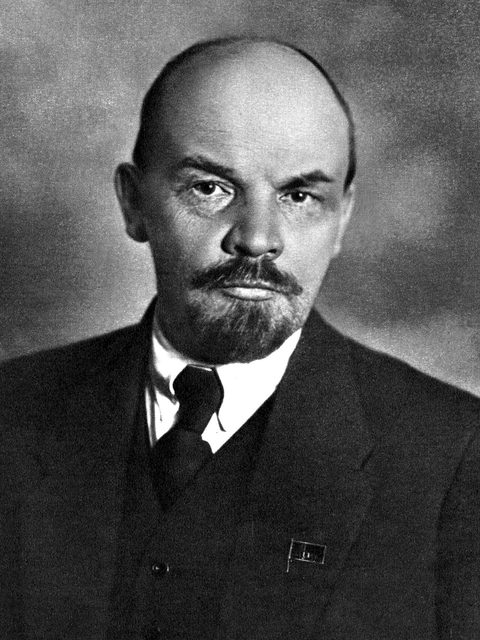
Vladimir Lenin
1870–1924
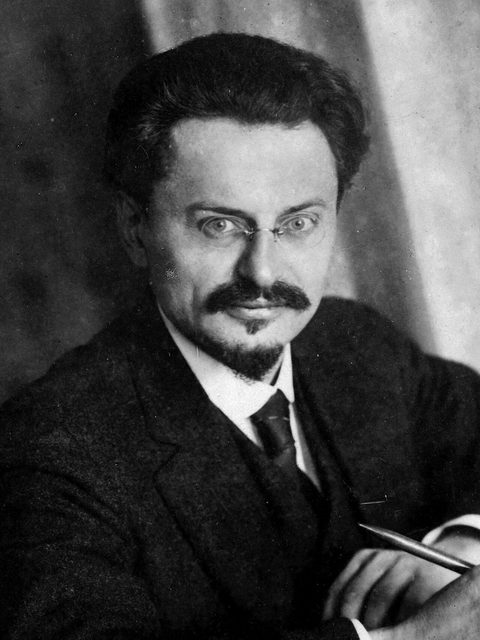
Leon Trotsky
1879–1940
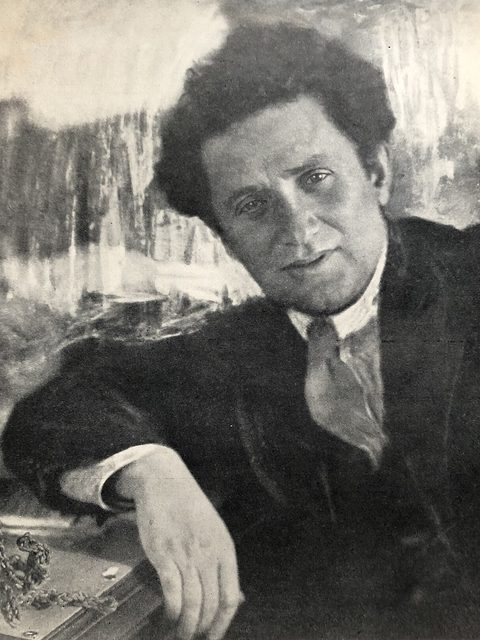
Grigory Zinoviev
1883–1936
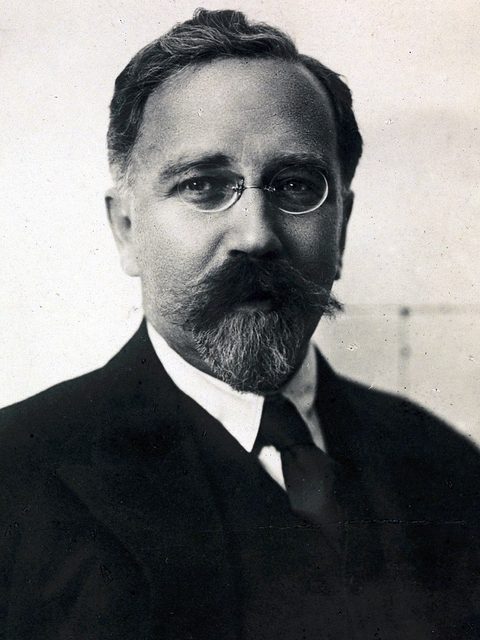
Lev Kamenev
1883–1936
Soon it turned out that Zinoviev and Kamenev were not just the opposition but enemies. In 1936 they were shot; the NKVD was then headed by Genrikh Yagoda. In 1938 Bukharin and Yagoda himself sat in the same dock — now in Yezhov's hands. In 1940 Yezhov was shot, because it turned out that he too was a traitor. His place had already been taken by Beria.
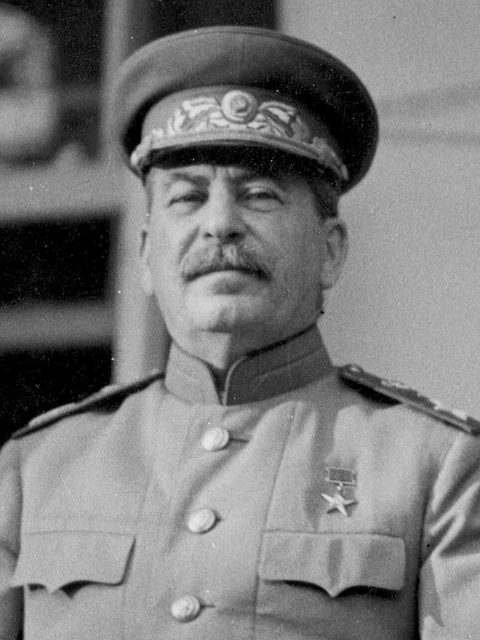
Joseph Stalin
1878–1953
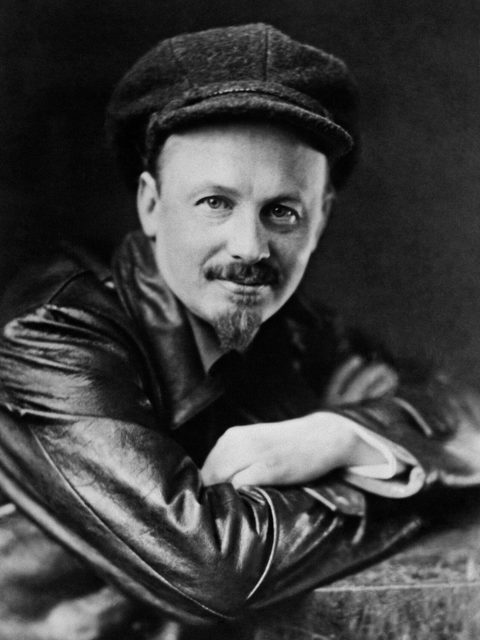
Nikolai Bukharin
1888–1938
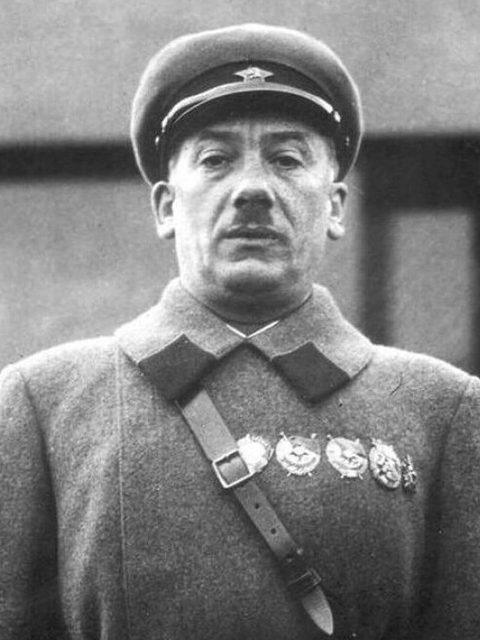
Genrikh Yagoda
1891–1938
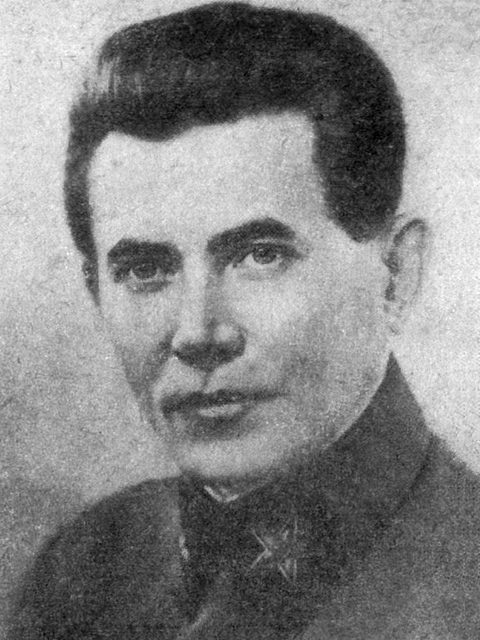
Nikolai Yezhov
1895–1940
After Stalin's death it turned out that the traitor was Beria. Khrushchev had him arrested with the help of Marshal Zhukov, and in December Beria was shot. In 1956 it turned out that Stalin himself had created a cult of personality and punished the innocent. In 1957 it turned out that the anti-party group was Molotov, Malenkov, Kaganovich "and Shepilov, who joined them". Zhukov helped Khrushchev at the time. Four months later it turned out that Zhukov was "politically unsound" and "prone to adventurism". In 1961 Stalin was carried out of the mausoleum.
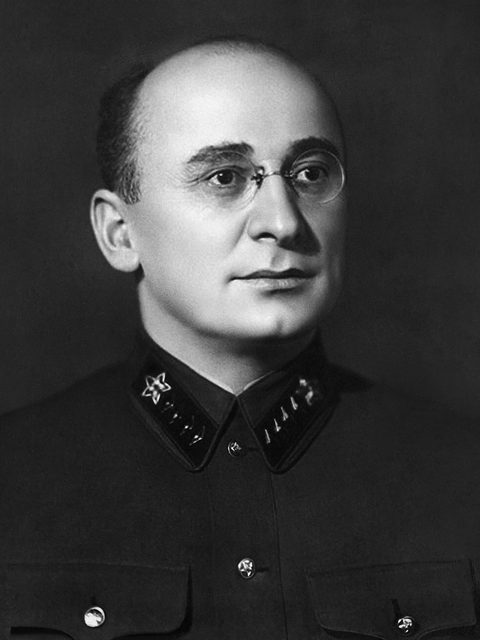
Lavrentiy Beria
1899–1953
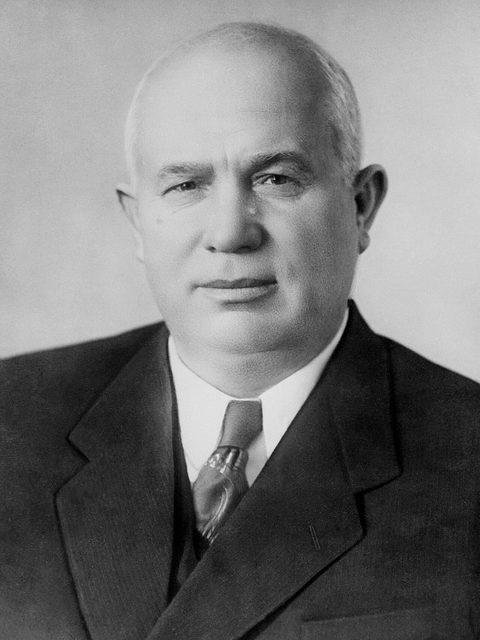
Nikita Khrushchev
1894–1971
In 1964 Brezhnev sent Khrushchev into retirement, and soon it turned out that Khrushchev had been guilty of "voluntarism". After Brezhnev's death it turned out that his era had been "the stagnation". Andropov and Chernenko did not have time to turn out to be anything. Then came Gorbachev, and it turned out that everyone had been an enemy. Then the USSR collapsed, and for many, it turned out that the traitor was Gorbachev.
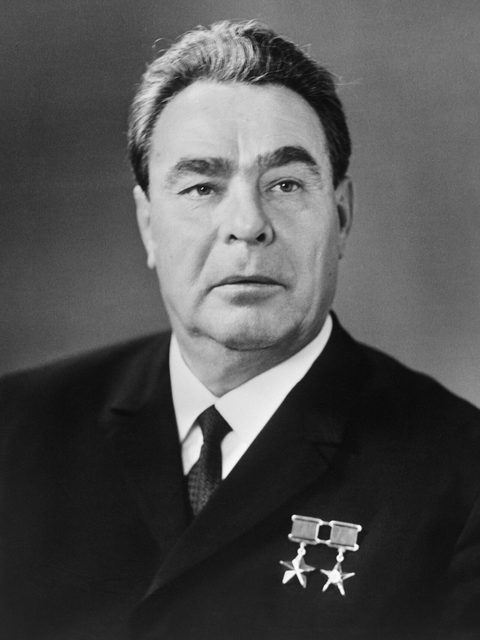
Leonid Brezhnev
1906–1982
Yuri Andropov
1914–1984
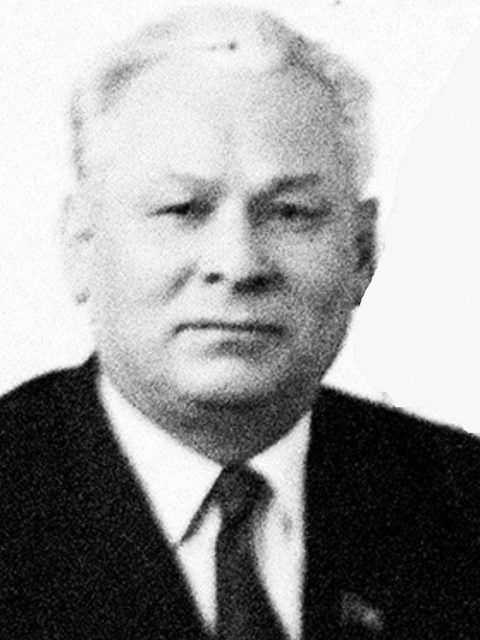
Konstantin Chernenko
1911–1985
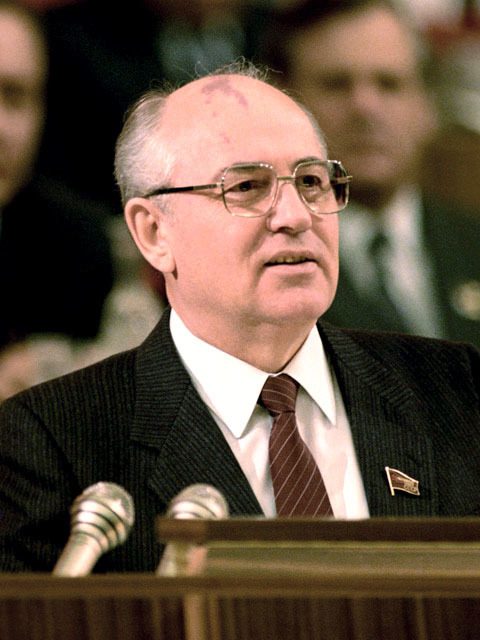
Mikhail Gorbachev
1931–2022
The joke lumps every "it turned out" together, and that is not quite fair. In 1956 what turned out about Stalin was the truth: his victims were real. The point of the joke is something else. In Russia the truth about a ruler comes only when he can no longer punish anyone.
The sequel the joke did not write
Then came Yeltsin. On 31 December 1999 he said on television: "Today, on the last day of the outgoing century, I am resigning." He handed his duties to the prime minister, Vladimir Putin.
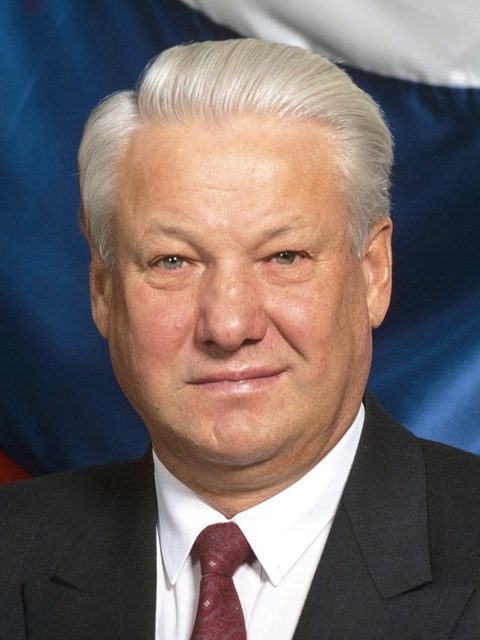
Boris Yeltsin
1931–2007
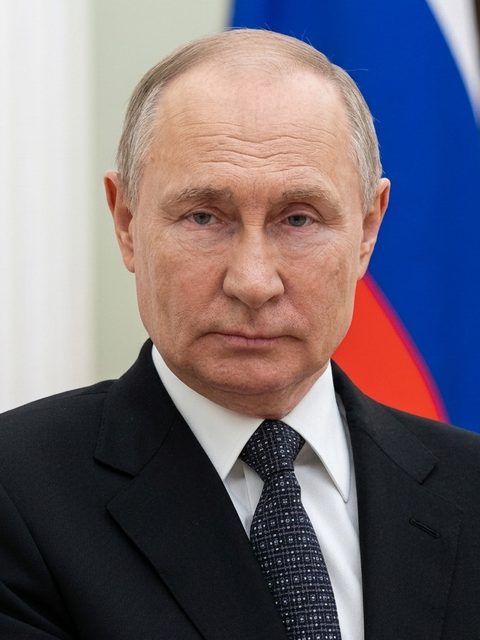
Vladimir Putin
b. 1952
And this time nothing turned out about the one who left — it was secured in writing. That same day, in one of his first decrees, Putin laid down that a president who has ceased to exercise his powers enjoys immunity: he cannot be held criminally liable, detained, arrested, searched or questioned. On his first day the new ruler put his signature to a guarantee that nothing would turn out about the old one.
The only thing that "turned out" was about the era itself. The nineties became a time of instability against which the Putin years looked like order. In 2011 President Dmitry Medvedev, answering a party activist, repeated the activist's words about "the wild 90s".
Medvedev was in the Kremlin because Putin was not allowed a third consecutive term. On 24 September 2011, at the United Russia congress, it turned out that he had only been keeping the seat warm for Putin. Putin said: "…the agreement on what to do, what to take on in the future, was reached between us long ago, several years ago." Medvedev himself proposed Putin as the candidate.
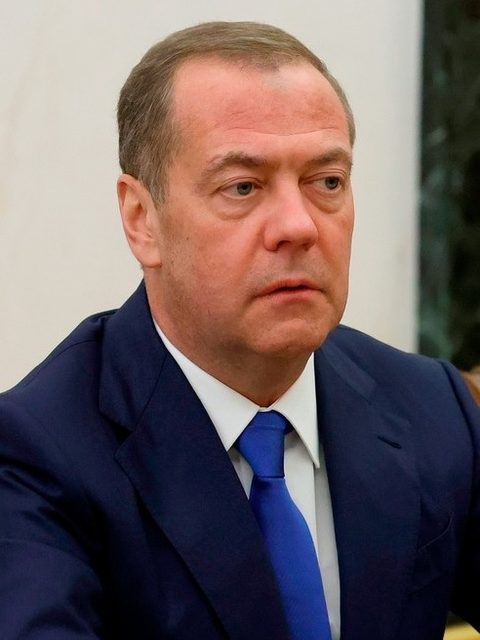
Dmitry Medvedev
b. 1965
On 2 March 2017 Alexei Navalny's Anti-Corruption Foundation published a film, "Don't Call Him 'Dimon'" (literally "He Is Not Dimon to You"), about properties the foundation links to Medvedev. On 26 March tens of thousands of people took to the streets across the country; in Moscow alone more than a thousand were detained. Medvedev replied on 4 April, naming neither the film nor Navalny: it was all done "on the compote principle" — "they take all sorts of murk, they collect all sorts of nonsense". On 9 June 2021 the Moscow City Court declared the foundation an extremist organisation.
On 7 June 2022 Medvedev, by now Deputy Chairman of the Security Council, wrote: "I hate them. They are bastards and degenerates. They want death for us, for Russia." Who "they" are, he did not write.
Now the traitors are at the bottom
In the Soviet joke the traitor was always at the top: the second man, the previous leader. In Putin's Russia traitors are sought at the bottom.
On 18 March 2014, in his speech on the annexation of Crimea, Putin asked what Western politicians meant when they threatened Russia with internal problems — whether they had in mind "the actions of some fifth column — all sorts of 'national traitors'". On 16 March 2022, three weeks after the invasion of Ukraine, he said that the people "will always be able to tell true patriots from scum and traitors and will simply spit them out like a midge that accidentally flew into their mouth". In October 2026 the register of "foreign agents" has more than 1,270 entries.
At the top, things "turn out" less often. Two cases show how it happens.
On 24 June 2023, the day of the Wagner Group mutiny, Putin said: "What we have faced is precisely betrayal." And: "It is a stab in the back of our country and our people." He did not name Yevgeny Prigozhin. On 23 August a plane crashed in the Tver region with Prigozhin on its passenger list. The next day Putin called him "a talented man" who had made "serious mistakes" in his life. In October, citing the head of the Investigative Committee, he said that fragments of hand grenades had been found in the bodies of the dead and that "there was no external impact on the aircraft".
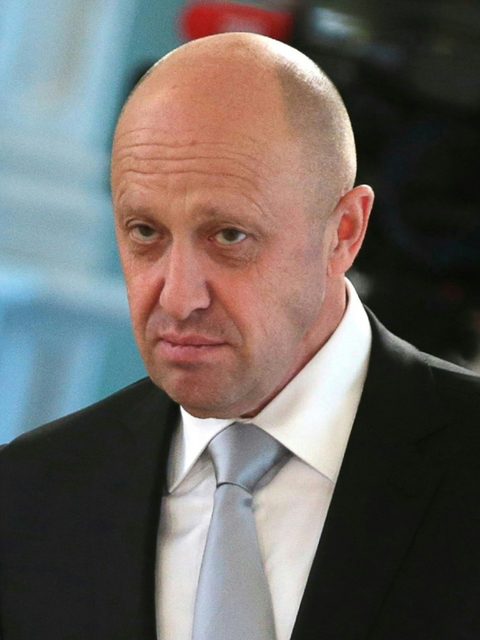
Yevgeny Prigozhin
1961–2023
In April 2024 it turned out that people were stealing at the Ministry of Defence. On 23 April deputy minister Timur Ivanov was detained on a bribery charge; in May, several more generals. In July 2025 Ivanov was sentenced to 13 years for embezzlement and money laundering; a court began hearing the bribery case in April 2026. Nothing turned out about the minister himself, Sergei Shoigu. On 12 May 2024 he was appointed Secretary of the Security Council.
And Gorbachev, with whom the joke ends, died on 30 August 2022. On 1 September Putin laid flowers at the hospital, but he did not attend the funeral on 3 September. His press secretary, Dmitry Peskov, explained that "the president's work schedule will not allow" it.
Those who said it in time
The joke's rule is simple: the truth about a ruler comes out only after he is gone. Whoever says it during his rule is called something else in Russia — foreign agent, extremist, traitor.
Our investigation „Vai Krievijas impērija brūk? Viņi brīdināja. Neviens no viņiem nav dzīvs” (in Latvian) features four people who said it in time.
In 1995 Dzhokhar Dudayev said that Russia was "Carthage, which must be destroyed" — or it must become a state "that observes laws and rights", or disappear from the map of history. He was killed in 1996, still under Yeltsin — according to the most widespread version, by a Russian missile strike.
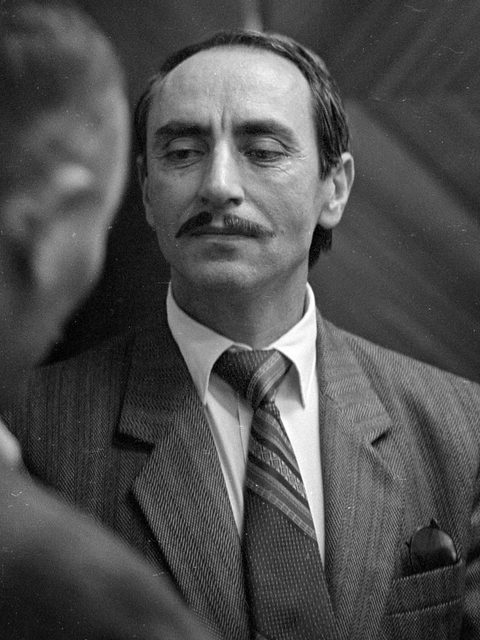
Dzhokhar Dudayev
1944–1996
In 2004 Anna Politkovskaya wrote that Putin "has not managed to kill the Soviet KGB lieutenant colonel in himself". She was shot on 7 October 2006, Putin's birthday.
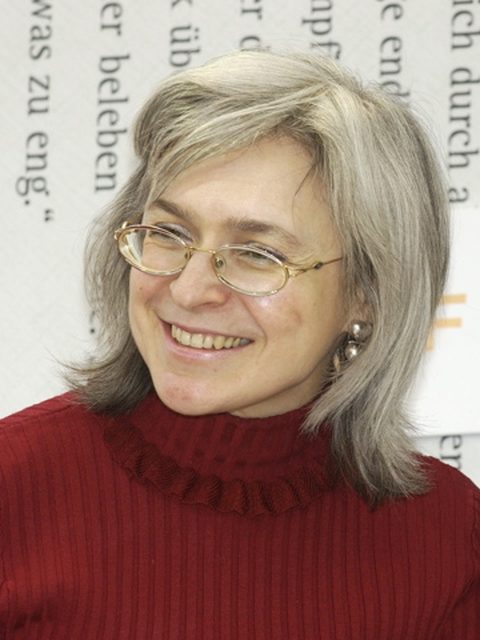
Anna Politkovskaya
1958–2006
On 31 January 2015 Boris Nemtsov wrote: "The truth is that Putin is war and crisis." He was shot a month later, on 27 February, on a bridge next to the Kremlin.
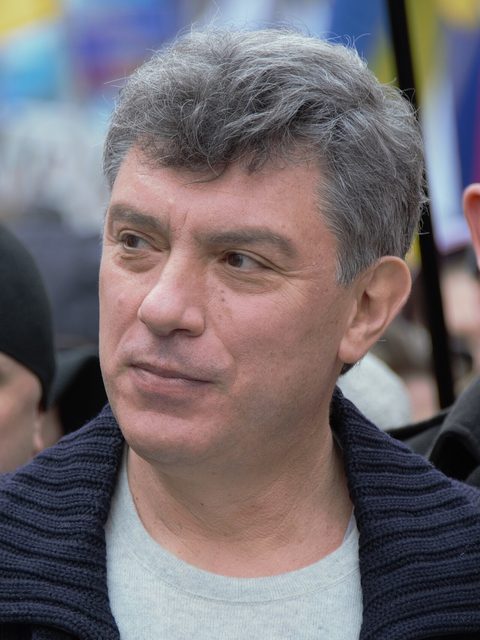
Boris Nemtsov
1959–2015
In the documentary "Navalny" (2022) Alexei Navalny was asked what message he would leave if he were killed. He answered: "Don't give up — don't. You mustn't give up. If it has happened, it means that we are extraordinarily strong at this moment, since they decided to kill me." He died on 16 February 2024 in a prison beyond the Arctic Circle.
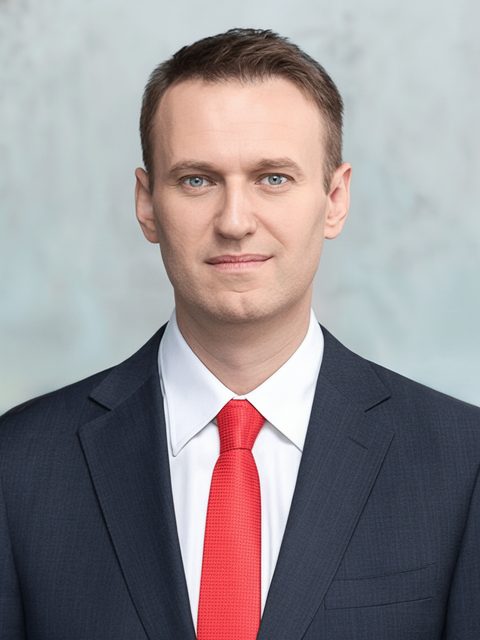
Alexei Navalny
1976–2024
Those who ordered the murders of Politkovskaya and Nemtsov have not been tried, and the European Court of Human Rights has found that Russia did not seriously look for them. On Navalny's death, five European governments are convinced that he was poisoned; the Russian Investigative Committee refused to open a criminal case.
In the USSR, "it turned out" came after the ruler. In Putin's Russia, whoever makes it "turn out" in time does not outlive the ruler.
The beginning of the empire's end
Putin was born on 7 October 1952. This month he turned 74. His term ends in May 2030, and the 2020 constitutional amendments allow him to run once more, for a term ending in 2036. He will then be 83. After leaving office he is entitled to immunity, now written into the constitution itself (Article 92.1) — similar to the immunity he gave Yeltsin on his first day in 1999.
From the outside the system looks stable. In the State Duma election of September 2026 United Russia won 349 of 450 seats.
What follows is the editors' assessment and forecast, not facts.
Power of this kind cannot pass itself on. Several of the Soviet Union's new leaders justified their power by what "turned out" about the previous one. Putin stopped the cycle with a decree and the constitution — but only for his own lifetime. When he is gone, someone will again have to say what turned out. And then they will also have to answer the question of why those who said it in time were killed.
That is where the end of the empire begins. Not of Russia, but of the empire — a state that holds its neighbours and other peoples by force.
Our forecast.
- Russia as a state and a people will survive. Of the analysts we quoted in our investigation, only Janusz Bugajski expects the Russian Federation to break apart in the coming years. We see no grounds to predict that it will.
- The beginning of the empire's end is the moment of succession — most likely between 2030 and 2036, or earlier if Putin leaves sooner.
- The end itself will take years, not days. The USSR lasted nine years from Brezhnev's death to its end, and less than seven from Gorbachev's coming to power. If Russia goes a similar way, the empire as we know it today will no longer exist by the mid-2040s.
In 1969 Andrei Amalrik asked whether the Soviet Union would survive until 1984. He guessed the outcome, but not the timing. We, too, may be wrong about the timing.
The last line of the joke has not been written yet. Only its beginning is known: "When Putin was gone, it turned out…"
Quotes in the original language
- CPSU Central Committee plenum resolution, 29.06.1957: «т. т. Маленков, Каганович, Молотов и примкнувший к ним т. Шепилов»
- Central Committee plenum resolution on Zhukov, 10.1957: «Он оказался политически несостоятельным деятелем, склонным к авантюризму»
- Gorbachev, 27th Party Congress, 25.02.1986: «В жизни общества начали проступать застойные явления.»
- Yeltsin, 31.12.1999: «Сегодня, в последний день уходящего века, я ухожу в отставку.»
- Putin's Decree No. 1763, 31.12.1999, point 1, sub-point д): «Президент Российской Федерации, прекративший исполнение своих полномочий, обладает неприкосновенностью. Президент Российской Федерации, прекративший исполнение своих полномочий, не может быть привлечен к уголовной или к административной ответственности, задержан, арестован, подвергнут обыску, допросу либо личному досмотру.»
- Medvedev, 28.11.2011, answering a United Russia activist who used the phrase first: «то, о чём Вы говорите (лихие 90-е и нищенские зарплаты…)»
- Putin, 24.09.2011: «Хочу прямо сказать, что договорённость о том, что делать, чем заниматься в будущем, между нами давно достигнута, уже несколько лет назад.»
- Medvedev, 04.04.2017: «Причём делается всё по принципу компота. Берут разную муть, чушь всякую собирают…»
- Navalny, film "Navalny" (2022), official clip: «ну не сдавайтесь, не надо, нельзя сдаваться. Если это произошло, это означает, что мы необыкновенно сильны в этот момент, раз они решили меня убить.»
- Dudayev, 1995 (1:13:57): «Россия сегодня это Карфаген, который должен быть разрушен. Или он должен стать демократически правовым государством. Пусть не демократии там и не пахнет, по крайней мере, соблюдающие законы и права.»
- Medvedev, Telegram 07.06.2022: «Отвечаю – я их ненавижу. Они ублюдки и выродки. Они хотят смерти нам, России.»
- Putin, 18.03.2014: «Хотелось бы знать, что они имеют в виду: действия некоей пятой колонны – разного рода «национал-предателей» – или рассчитывают, что смогут ухудшить социально-экономическое положение России…»
- Putin, 16.03.2022: «Но любой народ, а тем более российский народ, всегда сможет отличить истинных патриотов от подонков и предателей и просто выплюнет их, как случайно залетевшую в рот мошку, выплюнет на панель.»
- Putin, 24.06.2023: «А то, с чем мы столкнулись – это именно предательство.»; «Это удар в спину нашей стране и нашему народу.»
- Putin, 24.08.2023: «Это был человек сложной судьбы, и ошибки у него были серьёзные в жизни»; «Он был талантливый человек, талантливый бизнесмен».
- Putin, 05.10.2023: «в телах погибших при авиакатастрофе обнаружены фрагменты ручных гранат. Внешнего воздействия на самолёт не было»
- Peskov, 01.09.2022: «к сожалению, рабочий график президента ему не позволит это сделать 3 сентября»
- Quotes by Politkovskaya and Nemtsov — see our investigation „Vai Krievijas impērija brūk?” (in Latvian).
Images
- Vladimir Lenin: public domain · Wikimedia Commons
- Joseph Stalin: F. D. Roosevelt Library, public domain · Wikimedia Commons
- Nikita Khrushchev: TASS, public domain · Wikimedia Commons
- Leonid Brezhnev: Vladimir Musaelyan, Nationaal Archief, CC0 · Wikimedia Commons
- Yuri Andropov: Friedrich Gahlbeck, Bundesarchiv, CC BY-SA 3.0 DE · Wikimedia Commons
- Konstantin Chernenko: CPSU membership card (1973), public domain · Wikimedia Commons
- Mikhail Gorbachev: Vladimir Vyatkin / RIA Novosti, CC BY-SA 3.0 · Wikimedia Commons
- Boris Yeltsin: Russian Presidential Press Service, CC BY 4.0 · Wikimedia Commons
- Vladimir Putin: Kremlin.ru, CC BY 4.0 · Wikimedia Commons
- Dmitry Medvedev: Russian Presidential Press Service, CC BY 4.0 · Wikimedia Commons
- Leon Trotsky: Rijksmuseum, CC0 · Wikimedia Commons
- Grigory Zinoviev: Moisei Nappelbaum, public domain · Wikimedia Commons
- Lev Kamenev: public domain · Wikimedia Commons
- Nikolai Bukharin: public domain · Wikimedia Commons
- Genrikh Yagoda: public domain · Wikimedia Commons
- Nikolai Yezhov: public domain · Wikimedia Commons
- Lavrentiy Beria: public domain · Wikimedia Commons
- Dzhokhar Dudayev: Dmitry Borko, CC BY-SA 4.0 · Wikimedia Commons
- Anna Politkovskaya: Blaues Sofa, CC BY 2.0 · Wikimedia Commons
- Boris Nemtsov: Dhārmikatva, CC BY-SA 3.0 · Wikimedia Commons
- Alexei Navalny: Navalny's team, CC BY 3.0 · Wikimedia Commons
- Yevgeny Prigozhin: Mikhail Metzel / TASS (Zavtra.ru), CC BY 4.0 · Wikimedia Commons
- Portraits cropped to 3:4. Cropped CC BY-SA images are shared under the same licence.


Editor's note
- This is an essay: its facts are checked against sources, but the part of «The beginning of the empire's end» after the marked line is the editors' assessment and forecast, not facts.
- The joke the essay opens with is anonymous internet folklore. We retell it in our own words, with checked dates.
- Quotes from Russian are our translation; the originals are under «Quotes in the original language». Sources for the four people's quotes are in our investigation «Vai Krievijas impērija brūk?» (in Latvian).
- We did not ask the people and institutions named here for comment before publication. The Kremlin's position is quoted from its public statements.
Change log
- 26.10.2026. Published.